
10 Signs You've Found the Right Home for Your Needs and Lifestyle

Finding the right home is not only about square footage and price. Those matter. But the best fit often feels clear in small, practical ways. The door opens, the light feels right, the layout works, and your mind starts planning life there.
Here are 10 signs the home may be the one worth pursuing.

The home feels good when you walk in
1. You feel an emotional connection to the space
A strong first reaction matters. Not every home will create one. When it does, pay attention.
Maybe the entry feels calm. Maybe the kitchen reminds you of family dinners. Maybe the backyard makes you picture a summer evening with friends.
One buyer once described it this way: “I stopped comparing it to every other house. I started imagining where our shoes would go by the door.” That shift is a real clue.
Good sign: you feel comfortable, not pressured.
2. You can picture your daily life there
The right home makes routine feel easier. You can see where coffee happens. You know where the dog bed would go. You imagine cooking, working, resting, and hosting without forcing the picture.
This is different from liking the decor. Furniture can change. Paint can change. Daily flow is harder to fake.
Ask yourself:
Where would mornings happen?
Is there a natural place to unwind?
Does the layout match how life actually works?
3. The home has positive energy and good light
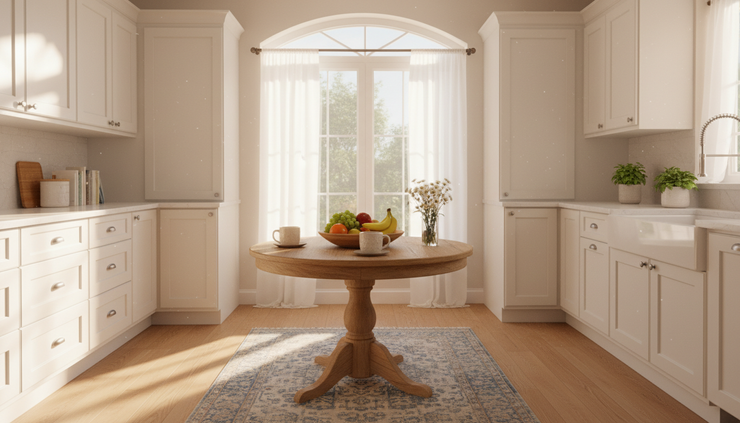
Natural light can change how a home feels. It affects mood, comfort, and how rooms are used during the day.
Look for windows that bring in light where you need it most. A bright kitchen, a cheerful living room, or a bedroom that feels peaceful can all make a big difference.
A home does not need huge windows to feel good. It needs light in the right places.
The location supports your lifestyle
4. The neighborhood feels right
A home does not stand alone. The street, nearby homes, traffic, parks, shops, and commute all shape daily life.
Visit at different times if possible. A quiet Tuesday morning can feel different from a Saturday afternoon. Listen for noise. Watch how people use the area. Notice how you feel walking the block.
The right neighborhood vibe often shows up fast. It feels comfortable, safe, and useful for the way you live.
5. The location solves more problems than it creates
No location is perfect. The key is whether the tradeoffs make sense.
A longer commute may be worth it for more space. A smaller yard may be fine if there is a park nearby. A busier street may not work if quiet is a top priority.
A good location should support your main needs, not fight them every day.
6. The space fits your needs now and later
A home should work for the present. It should also give you room to adjust.
That does not mean buying more house than needed. It means checking for flexible space. A spare room can become a guest room, office, hobby space, or nursery. A basement can offer storage or future use.
Good sign: you are not already thinking about major space compromises before moving in.

The property holds up under a closer look
7. The home is in good condition
A home that feels right should still stand up to inspection and basic review.
Look beyond staging. Check for signs of water damage, uneven floors, aging systems, foundation concerns, roof wear, and poor maintenance. Cosmetic issues are normal. Big hidden repairs can change the decision fast.
A clean, cared-for property gives confidence. It also makes the move feel less stressful.
8. The layout works without major changes
Many buyers say, “We can always renovate.” Sometimes that is true. Sometimes it becomes expensive and frustrating.
The right home should not require a full redesign to function. If the kitchen is too closed off, the bedrooms are too far from where you need them, or storage is lacking, be honest about it.
Small projects are manageable. A layout that fights daily life is harder to fix.
The decision feels clear, not forced
9. The numbers still make sense
Emotion matters, but the budget still has the final word.
The right home should fit within a comfortable financial range. That includes mortgage payment, taxes, insurance, utilities, HOA fees if any, maintenance, and likely repairs.
A beautiful home can become stressful if the monthly cost leaves no room to breathe. A smart purchase lets you enjoy the home after closing day.
10. You compare every other home to this one
This sign is common. After touring one strong contender, every other property starts falling short.
You might say:
“The kitchen is nice, but it does not feel like the other one.”
“This yard is bigger, but the location is not as good.”
“I keep thinking about the light in that living room.”
That does not mean you should rush. It means the home made a clear impression.
If several of these signs are lining up, get guidance before making the next move. Contact Julie Abel Homes to talk through the home, the market, and the best way to proceed.

FAQ
How do I know if I found the right home?
You feel comfortable in it, the layout works, the location fits your life, and the numbers make sense. A home should feel good and pass practical checks.
Should I trust my gut when buying a house?
Yes, but pair instinct with due diligence. Get an inspection, review the costs, and compare the home against your must-have list.
What if I love the house but dislike the neighborhood?
Be careful. You can change paint, flooring, and fixtures. You cannot move the house. The neighborhood has to work for daily life.
Is it normal to feel nervous after finding a home?
Yes. Buying a home is a major decision. Nerves do not mean the home is wrong. Look for clear concerns, not just normal anxiety.
How many homes should I see before deciding?
There is no set number. Some buyers find the right home early. Others need more time. The best choice is the one that fits your needs, lifestyle, and budget.

The best sign is balance
The right home usually brings emotion and logic together. It feels welcoming. It fits your routines. It supports your future plans. It is in good condition. It also works with your budget.
When a home checks the practical boxes and you keep picturing your life there, take it seriously. That may be the clearest sign of all.


Comments