
Why Professional Real Estate Photos Sell Homes Faster and for More

A buyer usually meets a home on a screen before they ever step through the front door. If the photos are dark, crooked, cluttered, or confusing, that first impression can quietly end the showing before it starts.
Great photos don’t just make a listing look pretty. They help buyers understand the space, picture themselves living there, and feel confident enough to book a tour. That’s why professional real estate photos are one of the smartest investments a seller or agent can make.

Photos shape the first impression before a showing happens
Most buyers scroll through listings quickly. They compare price, location, square footage, and then the photos do a lot of the emotional work.
A strong first photo can make someone pause. A weak one can make them skip the listing even if the home checks every box.
Good listing photos help answer questions fast:
How does the main living area feel?
Is the home bright or dark?
Does the layout make sense?
Are the rooms clean and cared for?
Can the buyer imagine furniture, meals, holidays, or quiet mornings there?
That last point matters. Buyers aren’t only shopping for walls, windows, and countertops. They’re trying to picture a life. High-quality images make that easier.
Poor photos create friction. A room may look smaller than it is. A beautiful kitchen may feel flat. A great backyard may look like an afterthought. When buyers have to work too hard to understand a home, many simply move on.
Professional photography can help homes sell faster and support stronger offers
Professional photos can affect both speed and price because they increase interest early, when a listing is freshest.
The first few days on the market matter. A listing that grabs attention right away can bring in more showings, more saves, and more serious conversations. More buyer interest can create a stronger position for the seller, especially when the home is priced well and shows nicely in person.
That doesn’t mean photos can fix every issue. They can’t change location, condition, or market demand. But they can make sure the home gets a fair shot.
Think about two similar homes on the same street. One has dim phone photos taken at night. The other has crisp, bright images that show the flow from kitchen to dining room to living room. Which one feels more trustworthy? Which one gets shared with a partner, parent, or agent?
Professional photos also help set expectations. When the images are clear and accurate, buyers arrive with a better sense of the property. That can lead to more productive showings and fewer wasted appointments.

Great real estate photos start with light
Lighting is one of the biggest differences between amateur and professional listing photos.
Natural light usually works best, but it needs control. Too much sun can create harsh glare. Too little light can make a home feel gloomy. A professional knows how to work with window light, interior lights, exposure, and editing so a room looks bright without looking fake.
A few simple lighting choices make a big difference:
Open blinds and curtains before the shoot.
Replace burned-out bulbs.
Use bulbs with similar color temperatures when possible.
Turn on lamps to add warmth.
Avoid shooting at the darkest part of the day.
The goal isn’t to make the home look unlike itself. The goal is to show the home at its best, in a way that feels honest.
Good lighting also helps buyers notice details. Flooring, cabinetry, tile, paint color, and ceiling height all read better when the image is properly exposed.
Angles and composition make rooms feel clear
A great real estate photo doesn’t just show a room. It explains the room.
Professional photographers choose angles that show size, flow, and function. They often shoot from corners or doorways because those spots can capture more of the room. They keep vertical lines straight so walls don’t look like they’re leaning. They avoid awkward crops that cut off windows, fireplaces, or furniture.
The best angles feel natural, like you’re standing in the room and taking it in.
Wide-angle lenses can help, but they need restraint. If a lens makes a bedroom look twice its real size, buyers may feel disappointed at the showing. The photo should make the space look open and appealing without stretching reality.
Good composition also creates a path for the eye. A viewer should be able to understand where the living room connects to the kitchen, where the hallway leads, and how indoor and outdoor spaces relate.
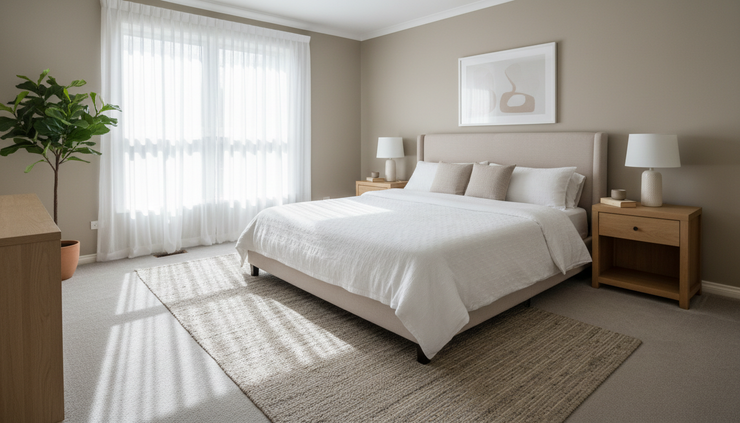
Staging turns empty space into a story
Staging and photography work best together. Even a beautifully shot room can fall flat if it’s cluttered, too personal, or empty in a way that makes scale hard to judge.
A staged room gives buyers context. It shows how a sofa fits, how a dining area works, or how a small bedroom can still function well.
Before photos, focus on the basics:
Clear countertops.
Remove personal photos and excess decor.
Make beds neatly with simple bedding.
Hide cords, trash cans, pet items, and laundry.
Add fresh towels, clean rugs, and a small amount of greenery.
Keep furniture placement open and easy to walk around.
Small details matter because the camera notices everything. A crumpled blanket, crooked chair, or crowded counter may feel minor in person, but it can become the thing a buyer stares at online.
Staging doesn’t have to mean renting a house full of furniture. Sometimes it means editing what’s already there. Clean, simple, and intentional almost always photographs better than full and busy.
Professional photos are an investment, not an extra
It’s tempting to treat photography as a small task on the listing checklist. Take a few shots, upload them, and move on.
But the photos are often the listing’s first showing. They work around the clock. They appear on home search sites, in emails, in saved searches, and in texts between buyers and their agents.
Professional photography can help a listing:
Stand out among similar homes.
Attract more qualified buyers.
Increase showing requests.
Create a stronger emotional response.
Support the home’s perceived value.
Reduce confusion about layout and condition.
For sellers, that can mean less time waiting and more confidence in the process. For agents, it shows care, skill, and respect for the property.
If you’re preparing to sell and want your home presented with care from the first photo to the final showing, get in touch with Julie Abel Homes.
FAQ
Are professional real estate photos really worth it?
Yes, for most listings they’re worth it. Professional photos help a home look clear, bright, and inviting online, which can lead to more interest and more showings.
Can good photos make a small home look better?
Yes. Good lighting, smart angles, and simple staging can make a smaller home feel open and easy to understand without making it look misleading.
Should a home be staged before photos?
Ideally, yes. Even light staging helps. Clean surfaces, simple furniture placement, and fewer personal items can make photos look much stronger.
How many photos should a listing have?
Use enough photos to show the main living spaces, bedrooms, bathrooms, kitchen, exterior, outdoor areas, and any standout features. Quality matters more than filling the gallery with repeated shots.
Do professional photos replace in-person showings?
No. Photos get buyers interested enough to schedule a showing. The home still needs to feel good in person, match expectations, and be priced well.
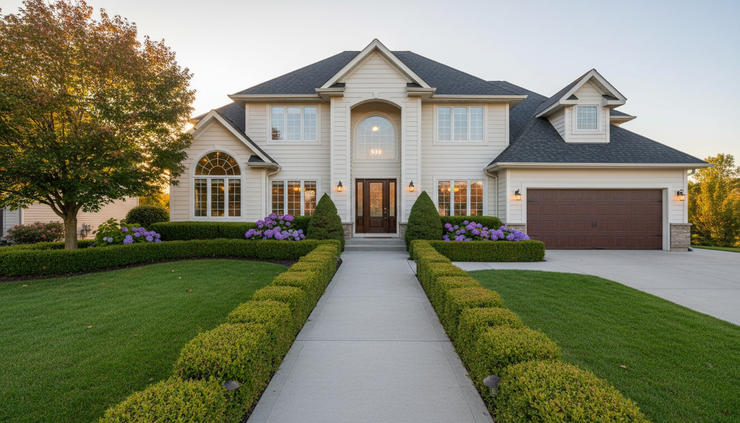
The takeaway is simple: buyers notice care. Sharp, bright, well-composed photos tell them the home is worth their attention. If the goal is to sell faster and for the strongest possible price, professional photography shouldn’t be an afterthought. It should be part of the plan from the start.


Comments