
Renovations to Skip Before Selling Your Home and Better Ways to Boost Appeal

A lot of sellers start planning upgrades the minute they think about listing. New countertops. A bathroom gut job. Maybe knocking down a wall. It feels productive, but big pre-sale renovations can backfire fast.
The goal isn’t to make the home perfect for you. It’s to help buyers see the home clearly, feel confident about its condition, and imagine themselves living there. Some renovations do that. Others drain your budget, delay your listing, and don’t pay you back at the closing table.

Skip renovations that are too personal
Taste is tricky. A renovation that feels beautiful to one person can feel like a project to the next buyer.
Highly personal updates often include:
Bold tile patterns
Bright cabinet colors
Trendy light fixtures
Built-in specialty features
Themed rooms
Unusual flooring choices
The problem is simple. Buyers don’t want to pay extra for work they plan to undo. A navy kitchen island might look great in photos today, but if it clashes with a buyer’s furniture or style, it becomes a mental cost.
The same goes for luxury finishes in an otherwise modest home. If every nearby home has standard finishes, installing very high-end materials may not raise the sale price enough to justify the cost.
Better move
Keep finishes clean, neutral, and widely appealing. Fresh paint in a warm neutral, updated cabinet hardware, and simple light fixtures can make a room feel current without turning it into a design statement.
Avoid major kitchen remodels right before listing
Kitchens sell homes, but that doesn’t mean a full kitchen remodel is the smart play before selling.
A gut renovation can involve cabinets, counters, flooring, appliances, plumbing, electrical work, permits, and weeks of disruption. By the time it’s done, you may have spent a large amount without knowing whether buyers will value your choices.
There’s another risk. Buyers often have strong opinions about kitchens. They may prefer white cabinets, stained wood, quartz, butcher block, open shelving, or no open shelving at all. If your remodel doesn’t match their taste, it may not help as much as expected.
Common kitchen mistakes include:
Renovation to skip | Why it may not pay off |
Full cabinet replacement | Buyers may not value the style enough to cover the cost |
Expensive appliance packages | Not every buyer cares about premium appliances |
Trend-heavy backsplash tile | It can make the kitchen feel dated quickly |
Changing the layout | It adds cost and may delay the sale |
Better move
Focus on visible, lower-cost improvements. Clean the cabinets, replace worn knobs and pulls, fix dripping faucets, update old lighting, and clear the counters. If the cabinets are in good shape, painting or refinishing may be enough.

Don’t overdo bathroom renovations
Bathrooms matter, but a full bathroom remodel right before selling can be a money sink.
Replacing a vanity, tub, tile, toilet, flooring, mirror, lighting, and plumbing fixtures adds up quickly. Once the work starts, small surprises can appear behind walls or under floors. That can turn a simple update into a bigger repair.
A bathroom also doesn’t need to feel like a spa to help sell the home. It needs to feel clean, functional, and well cared for.
Skip projects like:
Moving plumbing lines
Installing luxury shower systems
Adding specialty tile throughout the room
Replacing a working tub with a design that may not fit every household
Choosing trendy vanities that may feel dated soon
Better move
Replace cracked caulk, clean or refresh grout, install a simple mirror, update lighting, and swap out old faucets if needed. A new shower curtain, fresh towels, and a spotless sink can do more than most sellers expect.
Think twice before adding rooms or changing the floor plan
Adding square footage sounds like a sure win, but it’s rarely simple. Room additions take time, permits, labor, materials, inspections, and sometimes changes to heating, cooling, roofing, and foundations.
Even smaller layout changes can cause trouble. Removing walls may make sense on paper, but it can create odd furniture placement, reduce storage, or take away a room buyers expected to see.
Converting spaces can also hurt value. Turning a garage into a living area may appeal to some buyers, but others need parking, storage, or a workshop. Removing a bedroom to create a larger primary suite can reduce the home’s bedroom count, which may narrow the buyer pool.
If a renovation removes a feature many buyers expect, it can make the home harder to sell, even if the finished space looks nice.
Better move
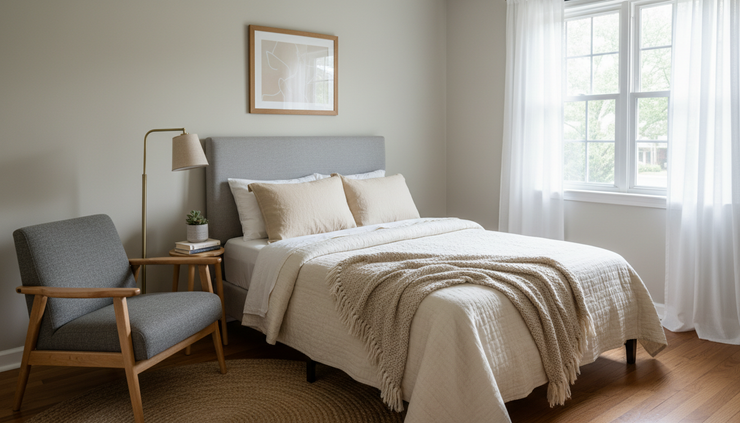
Work with the layout you have. Make each room’s purpose obvious. A bedroom should look like a bedroom. A dining area should look ready for meals. A flex room can be staged as an office, guest room, or playroom, but don’t make permanent changes unless they solve a clear problem.
Be careful with expensive outdoor projects
Curb appeal matters a lot. Still, not every outdoor upgrade pays off.
A new pool, outdoor kitchen, large deck, custom pergola, or elaborate landscaping plan can cost far more than it adds in resale value. These projects also introduce maintenance concerns. Some buyers see a pool and think about upkeep, safety, and insurance. Others may not want a yard that needs frequent trimming, watering, or seasonal care.
This doesn’t mean the exterior should be ignored. It means the best outdoor work before selling is usually simple and tidy.
Better move
Handle the basics first:
Mow and edge the lawn
Trim bushes away from windows and walkways
Add fresh mulch
Power wash siding, steps, and patios
Paint or clean the front door
Replace broken house numbers
Add a few healthy potted plants near the entry
These changes help the home feel cared for before buyers even step inside.
Focus on repairs, cleaning, and presentation instead
When buyers tour a home, they notice signs of neglect. Loose railings, stained carpets, burned-out bulbs, slow drains, and peeling paint can make them wonder what else is wrong.
That’s why small repairs often beat big renovations before selling. They reduce buyer doubt.
Start with the things that signal good maintenance:
Fix leaks
Patch wall damage
Replace cracked outlet covers
Touch up chipped trim
Service HVAC if needed
Repair doors that stick
Clean windows inside and out
Replace old air filters
Then work on presentation. Declutter closets, remove excess furniture, depersonalize where it makes sense, and let in as much natural light as possible. A home that feels clean, bright, and easy to move through tends to photograph better and show better.
If you’re unsure what’s worth doing, ask before spending. A local real estate professional can help you compare repair costs with likely buyer expectations in your price range. For practical guidance before listing, connect with Julie Abel Homes.
FAQ
Should I renovate before selling my home?
Sometimes, but usually not in a major way. Repairs, cleaning, paint, and simple updates often make more sense than full remodels.
Is painting worth it before selling?
Yes, if the walls are scuffed, dark, or highly personalized. Neutral paint can make rooms feel cleaner and brighter.
Should I replace old carpet before listing?
If the carpet is badly stained, damaged, or smells unpleasant, replacement may help. If it’s just dated, a professional cleaning may be enough.
Do buyers prefer updated homes?
Many buyers like updated homes, but they still care about price, layout, location, and condition. Over-renovating can make it hard to get your money back.

The smarter pre-sale plan
The best pre-sale improvements are usually the ones buyers notice for the right reasons. Clean rooms, working fixtures, fresh paint, clear spaces, and a cared-for exterior all help buyers feel comfortable.
Skip the risky, expensive, taste-driven projects unless there’s a clear reason to do them. Spend where it reduces doubt, improves first impressions, or removes obvious distractions. That’s how you protect your budget and give your home its best shot when it hits the market.


Comments