
Settling Into a New Neighborhood
- Julie Abel

- May 6
- 3 min read
Moving into a new neighborhood is an exciting fresh start, but adjusting to unfamiliar surroundings can take time. Beyond unpacking boxes and organizing your home, feeling comfortable in a new community often comes from building routines, meeting neighbors, and becoming familiar with the area gradually.
With patience and a proactive approach, homeowners can make the transition smoother and start feeling at home more quickly.
Take Time to Explore the Area
One of the best ways to feel comfortable in a new neighborhood is simply spending time exploring it.
Helpful places to visit include:
Local parks
Grocery stores
Coffee shops
Restaurants
Walking trails
Community centers
Becoming familiar with nearby amenities helps daily life feel more comfortable and predictable.
Introduce Yourself to Neighbors
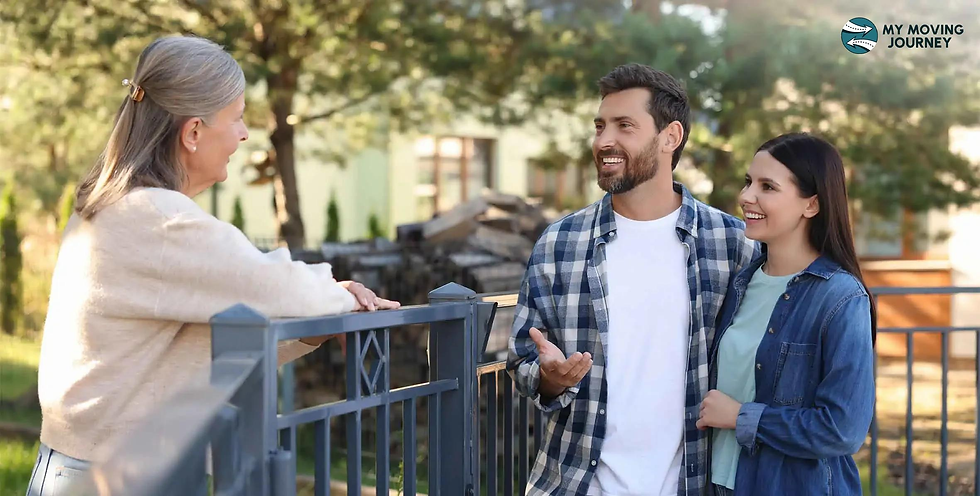
Meeting neighbors can help create a stronger sense of connection and belonging.
Simple introductions may lead to:
Helpful local recommendations
Community information
New friendships
Increased neighborhood comfort
Even brief conversations can make a new area feel more welcoming.
Establish Daily Routines Quickly
Routine helps create stability after a move.
Helpful habits may include:
Regular walking routes
Morning coffee routines
Exercise schedules
Consistent meal times
School and commute routines
Familiar routines can help the new environment feel normal more quickly.
Learn About Community Events
Community activities are a great way to meet people and learn more about the area.
Examples include:
Farmers markets
Local festivals
Neighborhood meetings
Outdoor concerts
Volunteer opportunities
Participating in community events often helps residents feel connected faster.
Explore Transportation and Commute Options
Understanding local transportation helps simplify daily life.
Important things to learn may include:
Traffic patterns
Public transportation routes
Parking rules
Bike paths
Shortcut routes
Testing commutes during actual traffic hours can help reduce future stress.
Find Essential Services Early
Locating nearby essentials early makes settling in easier.
Helpful places to identify include:
Grocery stores
Pharmacies
Medical clinics
Gas stations
Schools
Pet services
Gyms
Knowing where important services are located improves convenience and comfort.
Personalize Your New Home
Creating familiar and comfortable spaces can help emotionally during the adjustment period.
Helpful steps include:
Decorating favorite rooms first
Displaying familiar photos
Unpacking comfort items early
Organizing functional spaces quickly
A home that feels personalized often helps the entire transition feel easier.
Be Patient With the Adjustment Period
It is normal for settling into a new neighborhood to take time.
Many people experience:
Temporary uncertainty
Homesickness
Stress from change
Feeling unfamiliar with surroundings
Comfort and familiarity usually build gradually through routine and experience.
Get Involved in the Community
Building connections often helps neighborhoods feel more like home.
Helpful ways to get involved include:
Joining clubs or classes
Volunteering
Attending HOA meetings
Supporting local businesses
Participating in neighborhood groups
Community involvement often strengthens long-term satisfaction with the area.
Stay Open to New Experiences
Every neighborhood has its own personality, culture, and pace.
Remaining open-minded can help you:
Discover favorite local places
Build new friendships
Develop new routines
Appreciate the area more fully
Sometimes neighborhoods feel more comfortable after spending time experiencing them fully.
Prioritize Safety and Awareness
Learning the neighborhood also includes understanding:
Traffic patterns
Emergency services
Safe walking routes
Local rules or HOA guidelines
Awareness helps homeowners feel more confident and secure.
The Bottom Line
Settling into a new neighborhood takes time, patience, and active involvement.
Helpful strategies often include:
Exploring the area
Meeting neighbors
Establishing routines
Participating in community events
Personalizing the home
Staying open to new experiences



Comments